
41 Clayton St. #300, Asheville, NC 28801



The contact buttons don’t always work on every device. If they are not working for you, here is how to contact us and schedule your appointment.
41 Clayton St. #300, Asheville, NC 28801

Sometimes it feels like our relationships are at a crossroads. Maybe the spark feels like it’s gone, and you’re doing everything you can to reignite it.
Most people who start Couples Therapy feel lost, like they’re on a sinking ship and only one person’s paddling to stay afloat. Maybe you spend time remembering the “good days,” when things felt secure, exciting, and connected.

Couples Therapy and Marriage Counseling DOES NOT MEAN that the relationship is over.
In fact, it means that you want to strengthen what you already have.
If these sound true for you, Resilient Mind Counseling in Asheville, NC is here to tell you that you are not alone. We often hear clients say they do not have the time to make for themselves, or they feel like a failure for asking for help.
But getting the help you need is a sign of strength and will create healthier relationships.

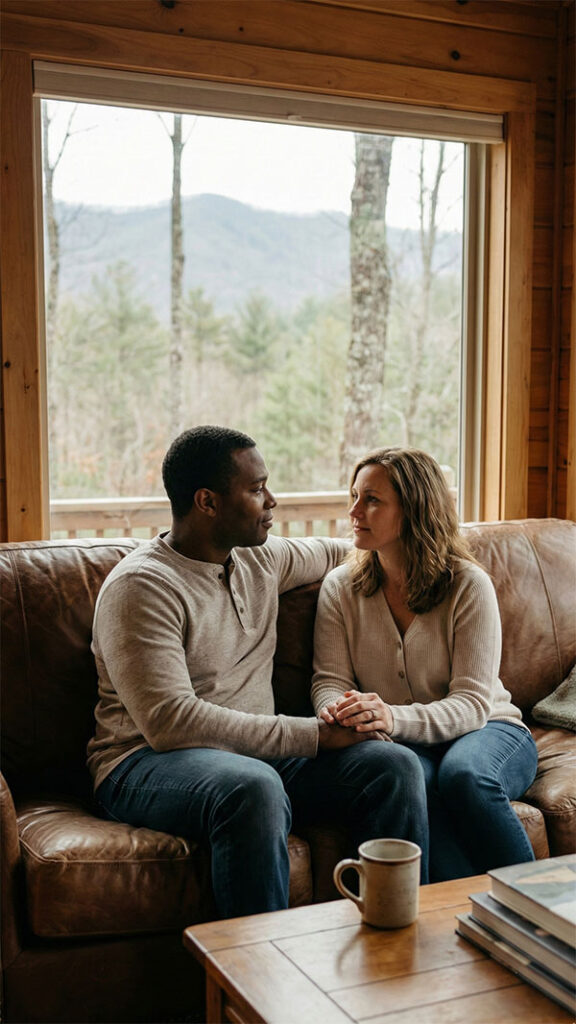
You can have the “Jim and Pam relationship.” We believe that healthy relationships build each other up. “Love in such a way that the person you love feels free.”
Healthy Relationships Are Possible… And YOU DESERVE Them!!
Resilient Mind Counseling has licensed marriage counselors and couples therapists who specialize in:
Our caring and understanding marriage counselors and couples therapists are ready to help you strengthen your relationships. The team at our Asheville, NC-based counseling practice understands that reaching out for help can be hard. However, it doesn’t have to be overwhelming. Start marriage counseling and couples therapy with these three simple steps:
STEP-01
Start by reaching out to us for a free consultation.
BOOK NOW

STEP-02
Then you can schedule your first appointment with one of our online therapists.
Choose Therapist
STEP-03
Get the support and understanding you need and deserve!
Start Now
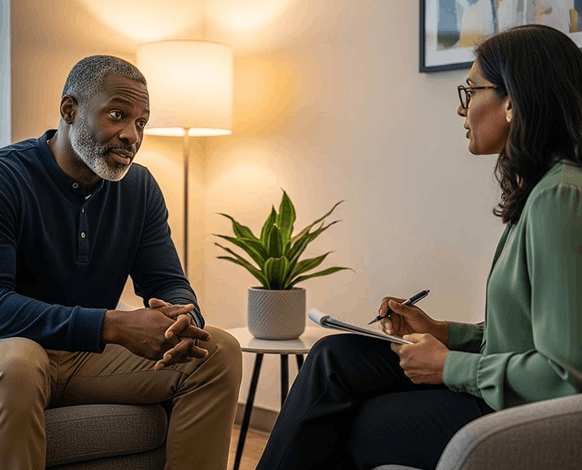
Interested in what other services our online therapists in North Carolina offer? At our Asheville, NC-based office we offer depression treatment, mood and bipolar disorder treatment, and trauma and PTSD Therapy. Needing support with your sexual orientation? If so we offer LGBTQIA+ therapy, neurodivergence therapy, BIPOC therapy, and marriage counseling.
Additionally, we offer therapy services. To help you include our services in your busy life we offer online therapy in North Carolina.
We accept payment through a HIPAA compliant payment processing software.
This ensures that your financial information remains encrypted and protected.
Therapy can be vulnerable and new, so it’s natural to be nervous. It can be scary to think of opening up or crying in front of someone new, perhaps fearing that it will be awkward and uncomfortable. The fear around that can feel overwhelming. Getting the counseling we need can be challenging. And although it’s normal to be nervous, that doesn’t make it feel great. It takes courage to continue getting the help you need.
Therapy is a space where you can be yourself and feel safe from judgment, including feeling nervous. We’re committed to finding a way to care for your nervousness and ensure sessions are as comfortable as possible.
We’re here if you want to talk about it during a free phone consultation.
Take your time to read through this website. If you sense that we may be a good fit based on what you are reading, you can call us.
During a free phone consultation, you can ask one of our therapists about how they have helped other people like you before, ask how they work as a therapist, or any other questions you may have that are specific-to-you. You’ll also be able to tell them what’s up, and you and one of our therapists can decide together how they can help.
It will usually take a couple of sessions to feel comfortable and develop a relationship. During the sessions, you’ll be able to understand how comfortable you feel in sessions. Our approach is not going to work for everyone. What’s most important is that you find someone who you feel is the right fit for you. We can explore that together.
If something feels overwhelming or even terrifying to discuss, that’s actually very normal. It can often feel difficult to talk about some things. During sessions, your therapist will never push you to talk about things that are too painful for you to talk about. They will be there to guide you towards discovering what feels comfortable for you to share. Working at your pace, together you can look at the tough stuff if you’re ready.
You can also share with them that you are nervous to open up about something, and you and your therapist can talk about that too. Whatever is present for you. Whatever you are going through. Bring that to session and you can explore that together.
If you open up, we will not think you are crazy. We will think you are someone who’s very courageous. Many clients have had the same fear (that people would think they are crazy).
Through our own life journeys and working with clients, we know how “normal” your experience is.
You’re not being dramatic or “too much.” Nothing you can say will cause us to judge you.
We know nobody’s perfect. We all struggle. We all suffer in different ways.
Whatever it is you’re going through, we provide a safe space where you can feel heard and supported without judgment.
You might already know that you want to share sensitive information about your loved ones and you don’t want them to find out what you’ve said. So we want you to know that unless there is an imminent danger to yourself or someone else, everything you share is completely confidential.
There is nothing more important than your privacy.
You can rest assured that you can talk about anything without fear of that information getting out.
If you have specific questions about how confidentiality works, you can ask during your free phone consultation or anytime during your work with your therapist.
Overall, you can think of the first session as a structured assessment that helps your therapist get to know you and the challenges that brought you into treatment. They’ll invite you to share more about yourself, and you can also talk about what’s worked or not worked for your mental health in the past.
Some questions that your therapist might ask during a first session include:
You can ask your therapist questions as well. You might be curious about their experience or how future sessions work.
The most important part of a first session is that you see if you feel your therapist is a good fit for you. If you feel supported, seen, and at ease with them, you can discuss if you’d like to meet again.
Sometimes the hardest part is getting started. We’re here to make it easier with a free consultation—just a conversation, no pressure, only support.